Photo Tips
Not sure which photos to send? These simple tips will help you choose reference images that bring out your dog’s personality and create the strongest possible portrait.

What Works Best
Natural daylight rather than flash
Clear, sharp photographs
Eye-level photos where possible
Images that show your dog’s expression and personality
Several photos from different angles
Helpful Extras
Favourite toys, blankets or accessories can be included
Tell me about any quirks, habits or expressions you love
Let me know if there are particular features you’d like highlighted


Try to Avoid
Photos taken from a long distance
Heavy filters or edited images
Very dark or blurry photographs
Cropped ears, or important features
Great Reference Photos
Don’t worry about having professional photographs. The best portraits usually start with one strong reference photo that captures the pose and expression you’d like me to work from. Additional photos are always welcome and can help me better understand your dog’s colouring, features and personality.
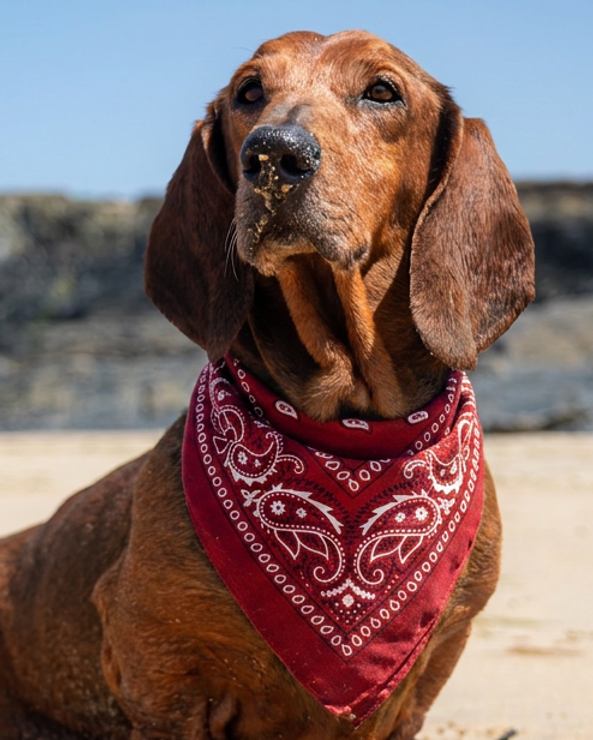
Add personal details - accessories, Toys & keepsakes

Supporting photos help show markings, colouring and unique details.

Shot of your dog facing the camera at eye level

Well-lit photographs make it easier to see colouring, features and texture.

Choose one image that best captures the pose and expression you’d like in the finished portrait.

Shot of your dog facing the camera at eye level
Photos to Avoid
These types of photographs can make it harder to see important details such as expression, colouring and facial features. Whenever possible, choose clear, natural images instead.

Blurred

Far away shots

Dark shots

Angles where your dogs features are hidden
